On 5th October 2022, I tuned in to the Zoom showing of the Royal Photographic Society’s Licentiate Assessment day to nervously watch my submission be discussed by a panel of RPS Assessors, to discover if I would be successful in gaining my “L” qualification. It was a moment that took nearly 2 years to prepare for!
My 10 selected Images


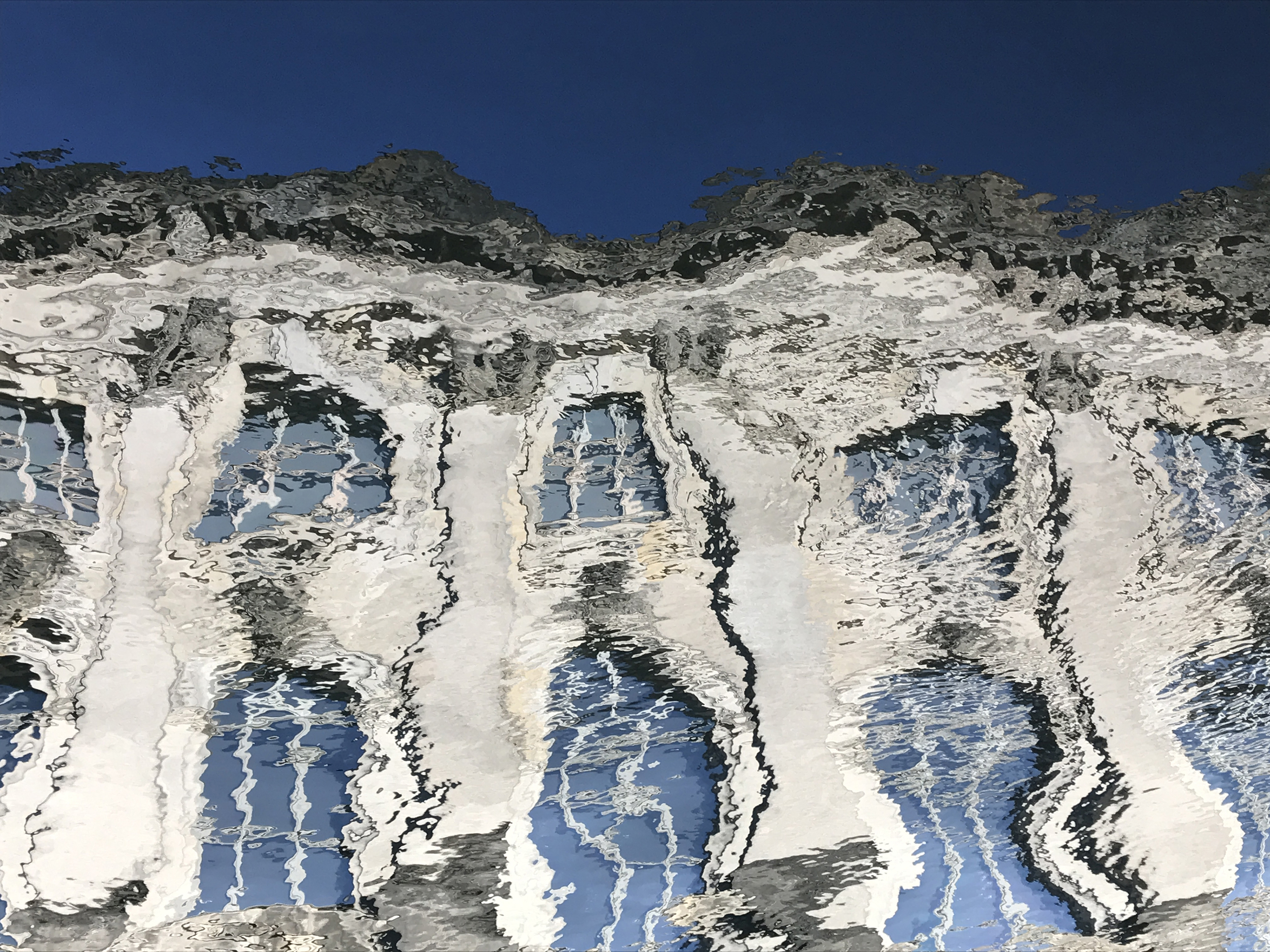
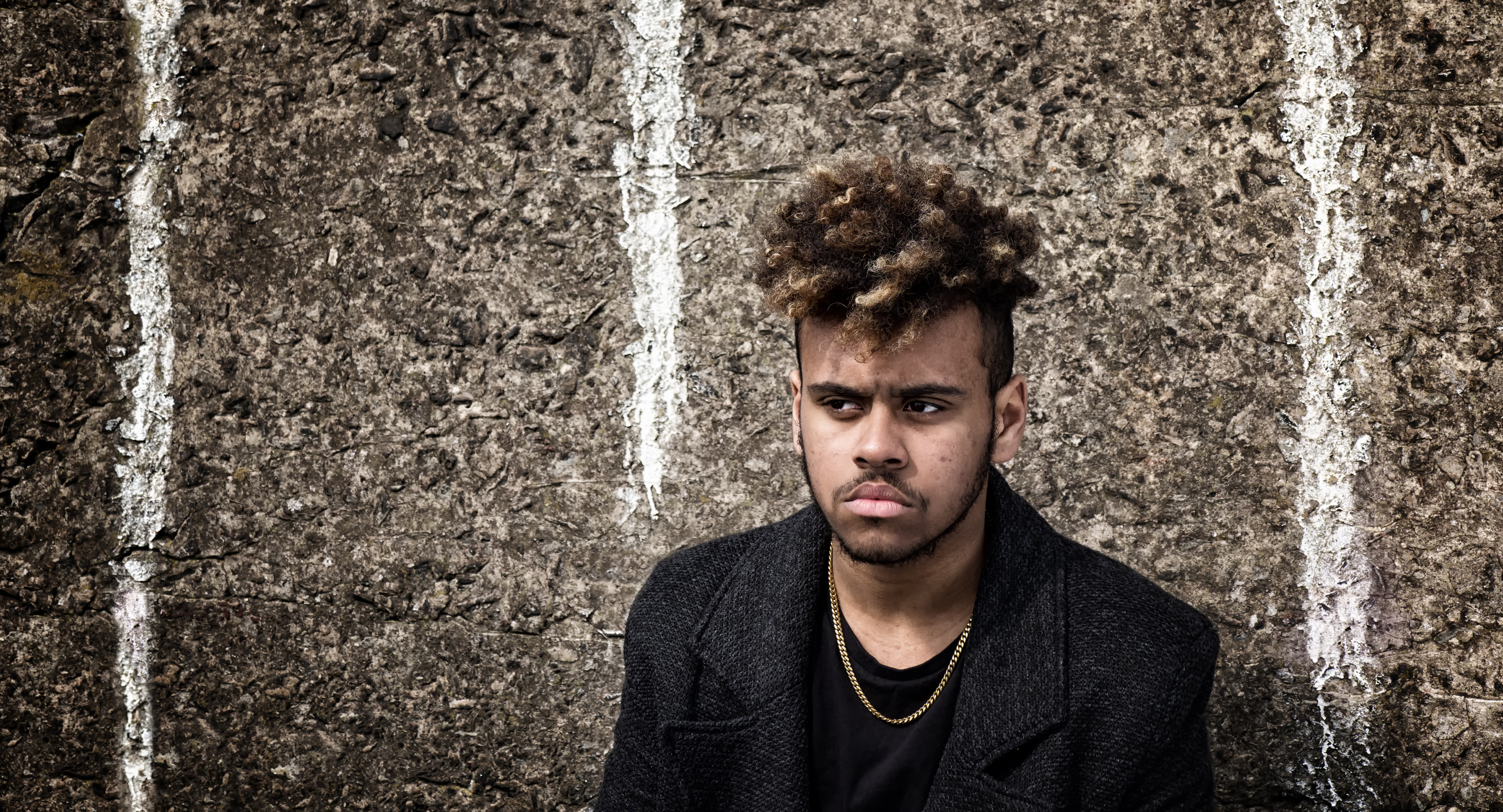

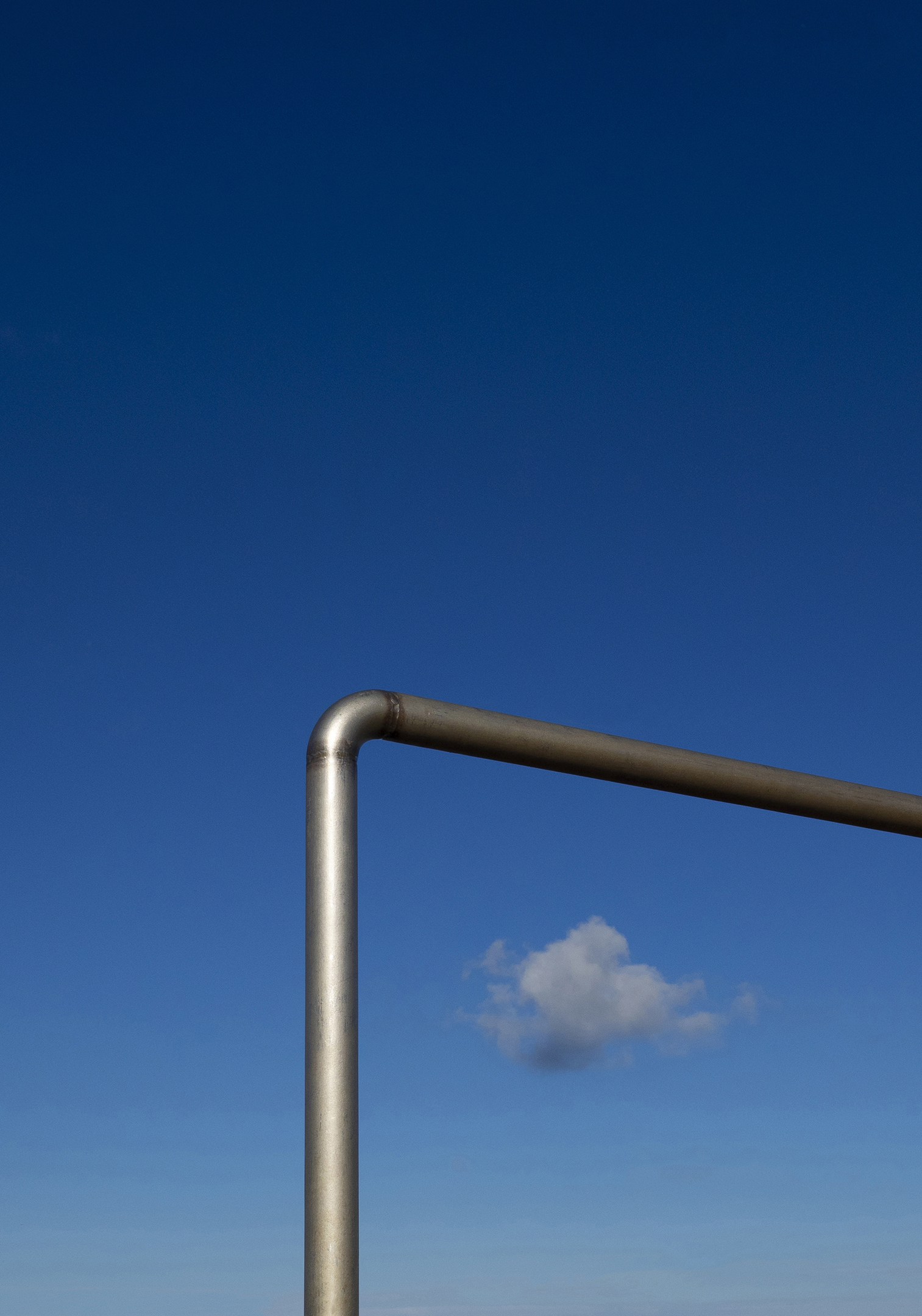


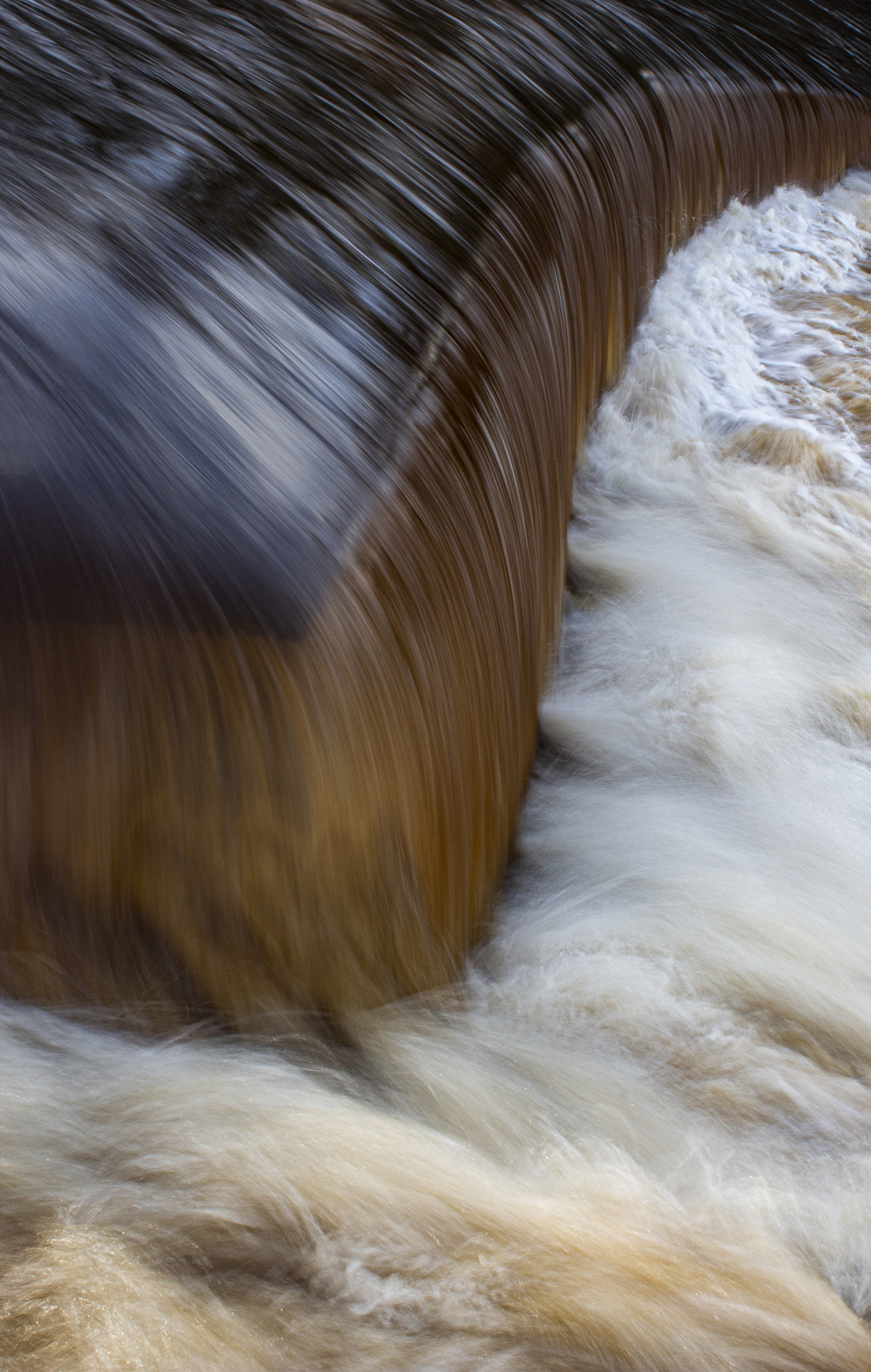

Why try for a Distinction?
There were a few different reasons for wanting to obtain a Licentiate Distinction from the Royal Photographic Society (LRPS). Back in 2020, Debbie and I were invited to judge the Saville Cup at York Photographic Society and then again in 2021, and I did wonder that if I were to pursue club competition judging, participants would feel more reassured if their judge had some photographic qualifications. But what sort of qualification, as there are many to be gained in photography – through the PAGB, FIAP, RPS etc.? I felt that the RPS was the right organisation for me, as they seemed to embrace creativity without being too prescriptive (which I found the PAGB to be – if you like Gothic composites however, then they are the organisation for you!!). The final push was watching a presentation by a speaker who showed us his accepted panel…which made me think, well if he can do it, then surely I can! Famous last words…
Choosing my Images
Once I’d decided to try for an LRPS Distinction, I read up on the criteria that needed to be met, which aim to demonstrate a “competent” level of camera technical abilities. Ten images are to be shown together in one panel, and this panel is viewed as the 11th image and how the images work together in the panel is of utmost importance. So not only do you have to select ten images that each show a different technical/creative ability, but they must also work together cohesively. A lot easier said than done! I also made the choice very early on to show the images digitally, as I don’t usually print my work and felt this would add an extra layer of complexity (and expense!).
My first choices were all images that I really liked and several had done well in club competitions. I kept the colour palette fairly contained to monotone, greens and oranges, and chose a 5 on top, 5 below format. However, feedback on the quality of the images themselves suggested significant post-processing to bring them up to L standard – and the idea of showing more detail in the shadows on images 1,2 and 5 seemed to be completely at odds with the style I had intended.
First Panel Idea

It was around this time that I moved down to Sidmouth and was starting to wonder if I had actually bitten off more than I could chew. Maybe I wasn’t yet good enough to get my L Distinction? Perhaps I just needed to start from scratch and go out and take photos specifically for the submission. So during the summer of 2021 I went out and about with my camera to try and capture the essence of the British seaside, all the while remembering that I had to show my understanding of aperture, shutter speed, lighting, composition etc. By the end of the season I came up with the following panel idea – this time using a 2,3, 5 format, which seemed to suit the flow of the images.
Second Panel Idea

By this time I had also joined the Sidmouth Photographic Club and luckily for me, they run a Distinctions Special Interest Group (SIG) to support members who are considering applying for a Distinction. I brought both panels along for review and it was felt that neither were really strong enough in their present format. I was really in a quandary now – what could I do to progress? I didn’t really have the extra images to re-arrange my first panel and if I needed new images for the seaside panel, I would have to wait until summer 22 before I could take them. How could I retain my photographic style, but at the same time demonstrate the different skillset required?
I went back through my archives to look for inspiration and started to notice how many images I had with blue or brown hues. Maybe this could be the basis of my panel. It then occurred to me that actually, the images for the panel don’t have to be your favourite or even your best images, but just have to be well shot and composed. I kept to the 2, 3, 5 format and looked for images that would work well together – complementing each other tonally and compositionally. I felt this time I was finally on to something and put together a third panel, which was much better received in the Distinctions SIG. They also provided invaluable help in “pixel peeping” the images, pointing out some processing improvements.
Third Panel Idea

The Final Stages
I was now at a point when I could book a one-to-one session with someone from the RPS Assessment panel. who would give me advice on my submission. The discussion took place on Zoom so that we could review and discuss each image – as well as 5 additional images that could be used as replacements if necessary. My assessor was so helpful and patient, giving feedback on every image and the panel as a whole. She suggested swapping images 6 and 10, so that the main subjects were facing into the panel to “contain” the other images – and also to end with a positive image of freedom. We discussed image 8 in detail as not only was there a lamppost sticking out of the couple’s head (rookie error!!), there was some haloing around the lampposts. So we decided that image should be replaced and I inserted one that actually worked better in the overall composition. With that change made, it was then time to book my Assessment Day and wait for a decision.
On the day itself, prints were reviewed first, and then DPIs and my panel came up around lunchtime. It was a very nerve wracking 10 minutes or so as every one of the assessors commented on the panel – and not all were positive – so I was worried that it wasn’t going to go my way. But thankfully I heard the words “you’ve been successful”, which made all those hours poring over images, tweaking and re-tweaking my panel worthwhile.
Now all I have to do is start work on my A panel!!!
My Final panel

 Karen Brindley Photography